Consumer confidence is usually reported through indexes and economic updates. Retailers feel it much closer to the shelf.
A shopper swaps a national brand for home brand. Another checks unit pricing before choosing. Someone compares specials across supermarket apps. A basket gets smaller, or a product is removed before checkout.
These are not just shopping habits. They are demand signals.
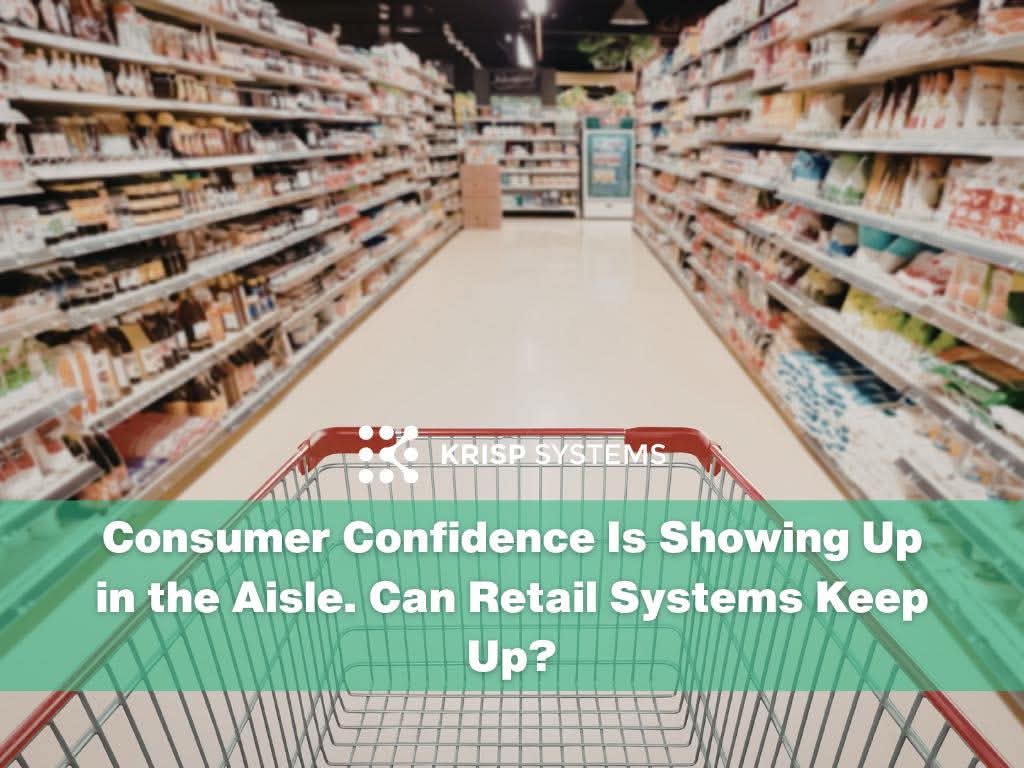
Inside Retail recently described grocery aisles as one of the clearest places to see consumer sentiment in real time. Customers are deciding which retailer gets the weekly shop, which item gets dropped, and which product gets swapped for a cheaper option.
That matters because value is no longer something retailers can simply claim. Customers are checking the proof.
Shoppers Are Still Buying, But With More Conditions
The pressure is visible in the data. The Australian Bureau of Statistics reported that household spending fell 1.1% in April 2026, with goods spending down 0.4% month on month. Food was one of the categories contributing to the goods decline.
That is important because food is not a category customers can simply avoid. When pressure appears in everyday spending, retailers need to look closely at what is changing underneath the transaction.
Customers may still buy, but they may buy differently. They may switch brands, wait for promotions, reduce basket size, compare retailers, or move between store and app before making a decision.
Westpac also reported that the Consumer Sentiment Index rose 3.5% to 83 in May 2026, from 80.1 in April. That improvement is useful context, but the index was still coming from an extreme low. For retailers, that means cautious behaviour may continue even when sentiment improves slightly.
This is the retail challenge: customers may not disappear, but their tolerance for inconsistency gets lower.
Value Messaging Fails When Execution Does Not Match
In a price-sensitive market, retailers often respond with stronger value messaging. More promotions. More price claims. More urgency around weekly offers.
That can help, but only if the operation can support the promise.
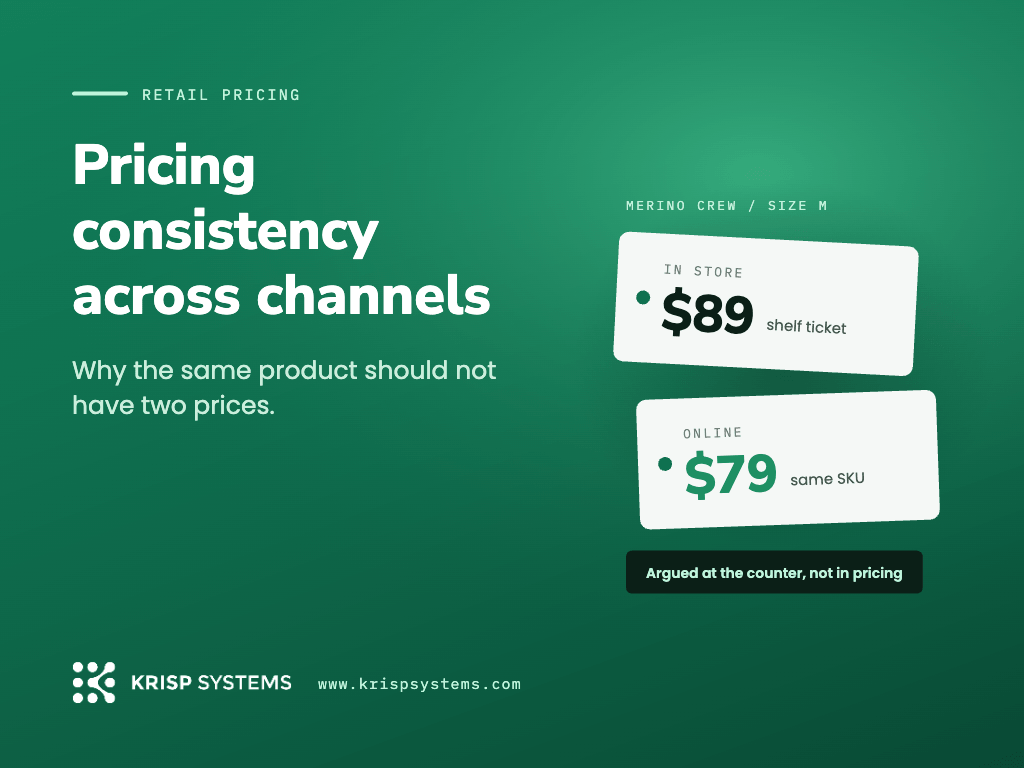
If the catalogue promotes one price and the shelf shows another, trust weakens. If the app says an item is available and the store cannot find it, the customer starts checking elsewhere. If a promotion moves faster than expected and stock runs out, the value message turns into frustration.
This is why value-led retail is not only a marketing issue. It is an execution issue.
The POS needs to apply offers correctly. Inventory needs to reflect what is actually available. Store teams need to answer questions with confidence. OMS and fulfilment logic need to support pickup, delivery, and order promises when demand shifts between channels.
Customers are not only asking, “Is this cheap?”
They are asking, “Can I trust this retailer to deliver what it promised?”
The Aisle Is Connected to the App Now
Grocery behaviour is no longer limited to the physical aisle. Reuters reported that Coles’ ecommerce supermarket sales grew 27.9%, while Woolworths’ ecommerce sales rose 13.2% in the same reporting period. Reuters also noted sharper pricing and promotions, with analysts pointing to closer inventory alignment with demand.
That is the important part for retailers beyond grocery too.
Customers now compare, switch, order, pick up, return, and browse across channels. A decision may start in an app, continue in-store, and end at the checkout. A customer may compare prices online while standing in the aisle.
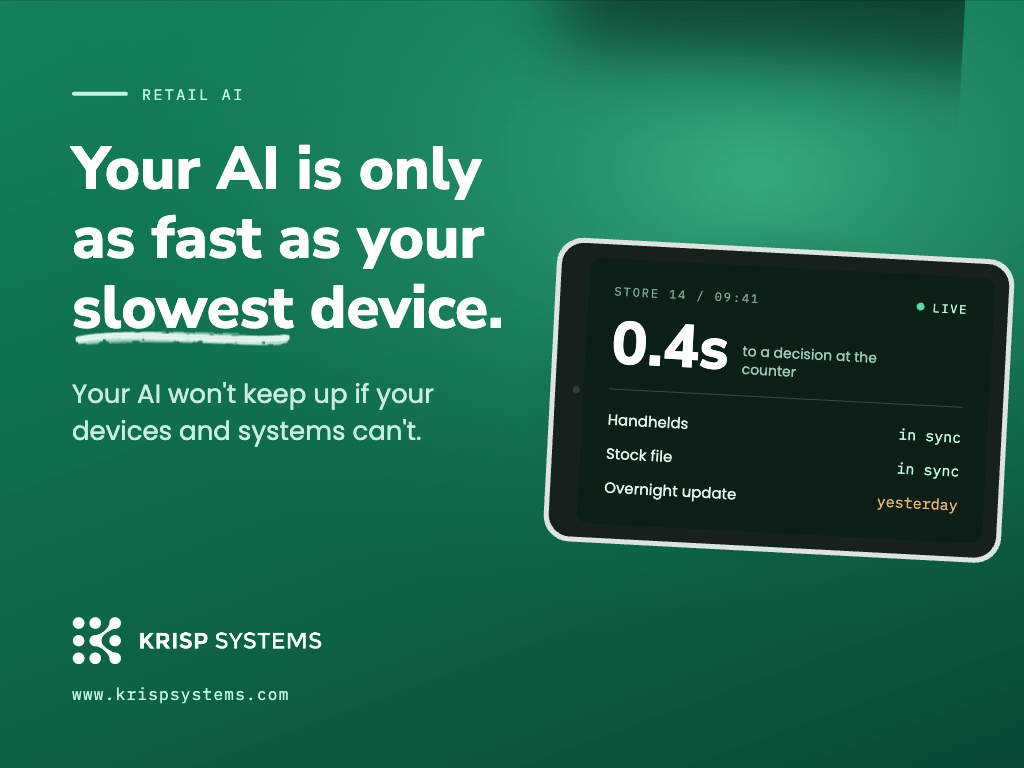
If POS, inventory, ecommerce, and order systems are disconnected, retailers only see fragments of that behaviour. They may know what sold, but not what was unavailable. They may see a promotion perform, but not where stock pressure built. They may see online demand rise, but not whether fulfilment protected margin.
The customer journey is connected. Retail systems need to be connected too.
Retailers Need Faster Demand Visibility
When customers are cautious, delayed reporting is not enough.
A weekly or monthly report may show that basket behaviour changed, but by then the trading moment may already be gone. The more useful question is whether the retailer can see the shift while it is happening.
Are customers trading down in one category?
Is a promotion pulling demand faster than expected?
Is one store running out while another still has stock?
Are pickup orders increasing in a specific area?
Are customers switching because of price, availability, or fulfilment friction?
These are operational questions, not just marketing questions.
The POS shows what customers bought. Inventory data shows what was available or missing. OMS data shows how orders were fulfilled, cancelled, picked up, split, or delayed. When these signals sit together, retailers can respond with more confidence.
When they sit separately, teams are left guessing.
A Stronger Value Promise Needs Stronger Systems Behind It
The retailers that build trust in this environment will not only be the ones with the loudest promotions. They will be the ones that make the value promise feel consistent.
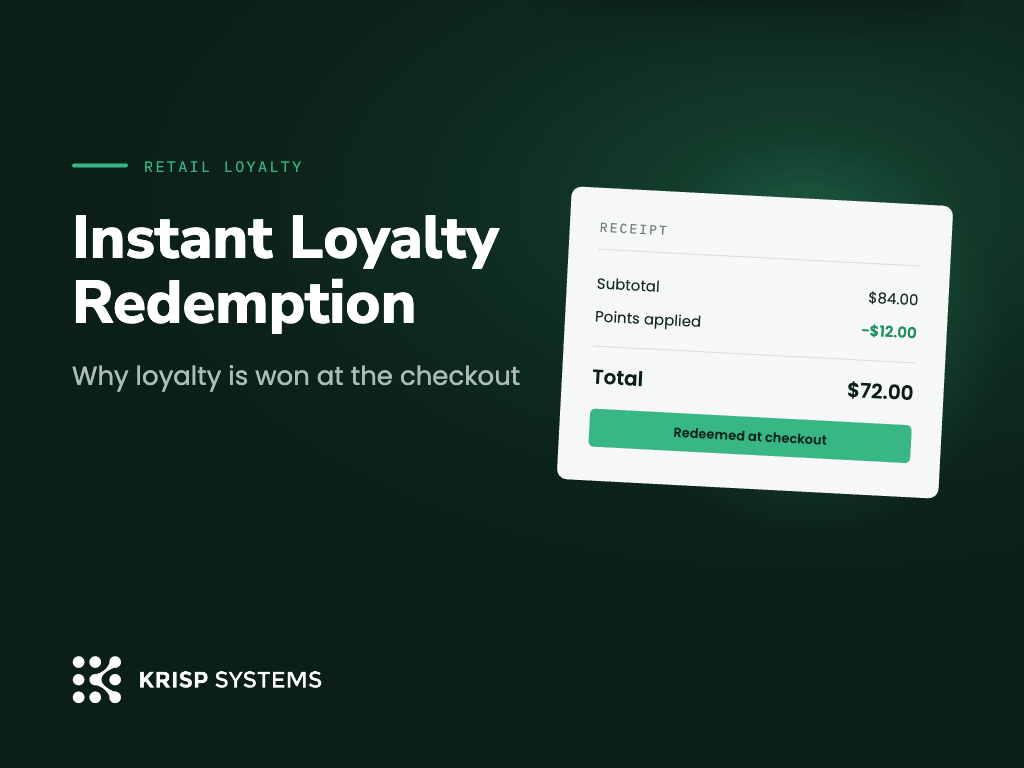
The price makes sense. The product is available. The promotion applies correctly. The store team can help. The order can be fulfilled. The return is handled cleanly.
That consistency depends on execution.
Krisp Systems helps retailers connect POS and OMS into one clearer retail foundation, bringing transactions, orders, inventory, fulfilment, and store-level activity closer together.
That matters because consumer sentiment does not stay inside an economic report. It moves through baskets, shelves, orders, returns, substitutions, and store conversations.
Retailers need systems that can read those signals and respond before the customer has already moved on.
Final Thought
Consumer confidence is not only something retailers read in reports.
It is something they can see in the aisle.
The customer switching to a cheaper product is a signal. The missing promoted item is a signal. The smaller basket is a signal. The app comparison is a signal.
The question is whether retailers can connect those signals quickly enough to act.
In 2026, value will not be won by messaging alone.
It will be won by the retailers that can prove the promise every time the customer checks.
FAQs
How does consumer confidence affect retail behaviour?
Consumer confidence affects how customers make spending decisions. When confidence is weak, shoppers often compare prices more actively, trade down to cheaper options, reduce basket size, or switch retailers based on value and availability.
Why are supermarket aisles useful for understanding consumer sentiment?
Supermarket aisles show consumer behaviour in real time because grocery spending is frequent and necessary. Customers reveal pressure through substitutions, smaller baskets, home-brand switching, and promotion-led decisions.
Why does value-led retail need strong execution?
Value messaging only works when pricing, promotions, stock availability, checkout logic, and fulfilment align. If the promise does not match the experience, customer trust weakens.
What role does POS play in demand visibility?
POS data shows what customers actually bought, which products moved, which promotions converted, and where basket behaviour changed. It gives retailers a direct view of demand at the point of transaction.
What role does OMS play when customer behaviour shifts?
OMS helps retailers manage fulfilment, pickup, delivery promises, routing, and order visibility. It helps the business respond when demand shifts across stores, ecommerce, and fulfilment channels.
Why does inventory visibility matter when customers are price-sensitive?
When customers are price-sensitive, an unavailable product can quickly push them to another retailer. Inventory visibility helps retailers see where stock pressure is building and respond before the sale is lost.
Want to respond faster when customer behaviour shifts? Talk to the Krisp Systems team about connecting POS, orders, inventory, and fulfilment into one clearer retail foundation
Contact The Krisp Team