Hybrid Shopping Is No Longer a Trend
Retail is no longer divided into online and in-store. Customers move between both without hesitation.
Recent Australian research shows that more than 80 percent of shoppers research online before making a purchase. At the same time, 98 percent still shop in physical stores. This behaviour confirms that retail is not shifting away from stores. It is blending channels.
For retailers planning for 2026, hybrid shopping is not an experiment. It is the operating reality.
What Hybrid Retail Looks Like in Practice
Hybrid retail appears in everyday behaviour:
- A customer checks product availability online before visiting a store
- A shopper researches reviews online and completes the purchase in person
- An item is purchased in store but returned through another channel
Customers do not think in terms of channels. They think in terms of convenience and reliability.
- This expectation increases pressure on retail systems to stay aligned at all times.A product is reserved digitally and collected in store
Why Hybrid Retail Raises the Operational Bar
Hybrid behaviour requires operational consistency. If systems are disconnected, friction appears quickly.
Common breakdowns include:
- Inventory shown as available online but unavailable in store
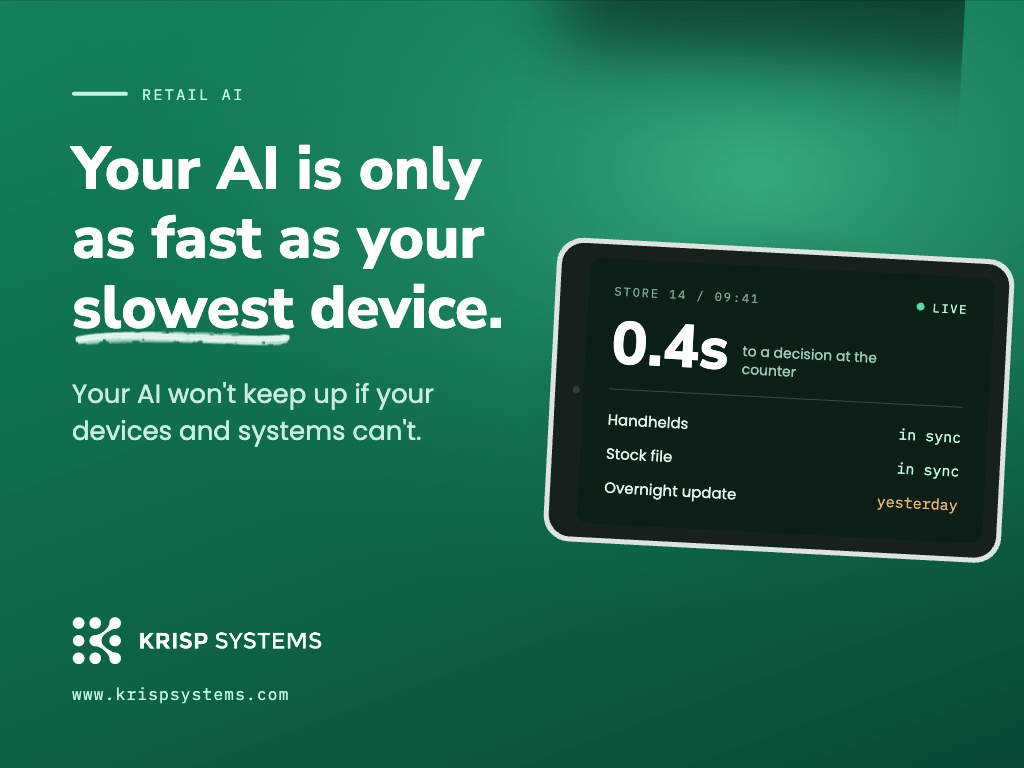
- Orders that cannot be fulfilled due to delayed stock updates
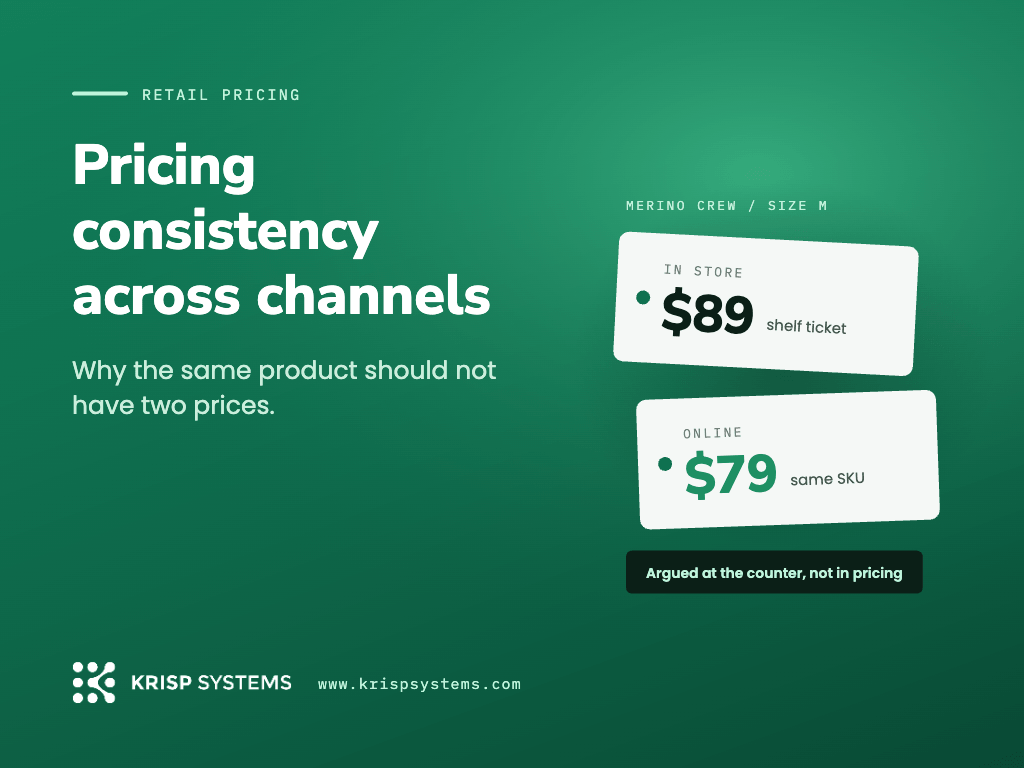
- Pricing differences between channels
- Store teams unable to access full order history
Even one inconsistency weakens trust. In a value-sensitive market, customers do not tolerate avoidable errors.
Hybrid retail is a customer behaviour. Unified systems are the operational response.
Inventory Accuracy Is Now a Customer Experience Issue
When customers research online before visiting a store, the accuracy of that information becomes critical.
If stock levels are incorrect, customers experience frustration before they even step inside.
Retailers who unify inventory data across POS and order management systems reduce the risk of:
- Cancelled click and collect orders
- Overselling online
- Missed in-store opportunities
Inventory accuracy is no longer a back-office metric. It directly influences conversion and loyalty.
Unified Commerce Supports Hybrid Expectations
Unified commerce integrates POS, order management, and inventory within one data structure.
This structure enables:
- Real-time visibility across all locations
- Consistent order status regardless of channel
- Centralised management of pricing and promotions
- Clear reporting across teams
Hybrid shoppers expect digital and physical touchpoints to agree with each other. Unified systems make that possible.
Fragmented systems make it difficult.
The Risk of Partial Integration
Some retailers attempt to connect systems through temporary fixes or middleware. While this may appear functional on the surface, it often leaves data fragmented underneath.
Partial integration can result in:
- Delayed updates between systems
- Increased manual reconciliation
- Fulfilment routing errors
- Customer service delays
Hybrid retail exposes these weaknesses quickly because customer journeys cross channels frequently.
Stability requires integration at the core, not just connection at the surface.
A Practical Path for Retailers in 2026
Retailers preparing for hybrid growth should focus on:
- Creating one consistent source of truth for inventory
- Ensuring POS and order management share the same operational data
- Enabling staff to access full customer and order history
- Simplifying fulfilment processes across channels
Platforms designed around unified POS and order management, including Krisp Systems, support this by replacing fragmentation at the core while integrating with surrounding tools such as eCommerce, ERP, and payment systems.
This approach allows retailers to strengthen operations without destabilising the broader ecosystem.
Hybrid Retail Requires Operational Alignment
Hybrid retail is not a future scenario. It is the current state of customer behaviour in Australia.
Retailers that treat online and in-store as separate systems create friction. Retailers that unify data create clarity.
In 2026, growth will depend on operational alignment. Connected systems that synchronise POS, orders, and inventory form the foundation that hybrid retail demands.
Planning to support hybrid retail in 2026?
Explore how Krisp Systems unifies POS, orders, and inventory into one connected platform.
Explore Krisp Unified POS and OMS
Frequently Asked Questions
What is hybrid retail
Hybrid retail refers to shopping behaviour that blends online research with offline purchasing and vice versa.
Why does hybrid retail require unified systems
Hybrid retail depends on consistent, real-time data across channels. Disconnected systems create mismatches that affect customer experience.
Is unified commerce different from omnichannel
Unified commerce integrates systems at the core rather than linking separate tools loosely.
Can retailers modernise without replacing everything
Yes. Modern unified platforms stabilise core systems while integrating with existing specialised tools.
Strengthening your retail foundation for hybrid growth?
Talk to the Krisp Systems team about building a unified operational core.
Contact the Krisp Team